Plumbing: A Necessary Part of Daily Life
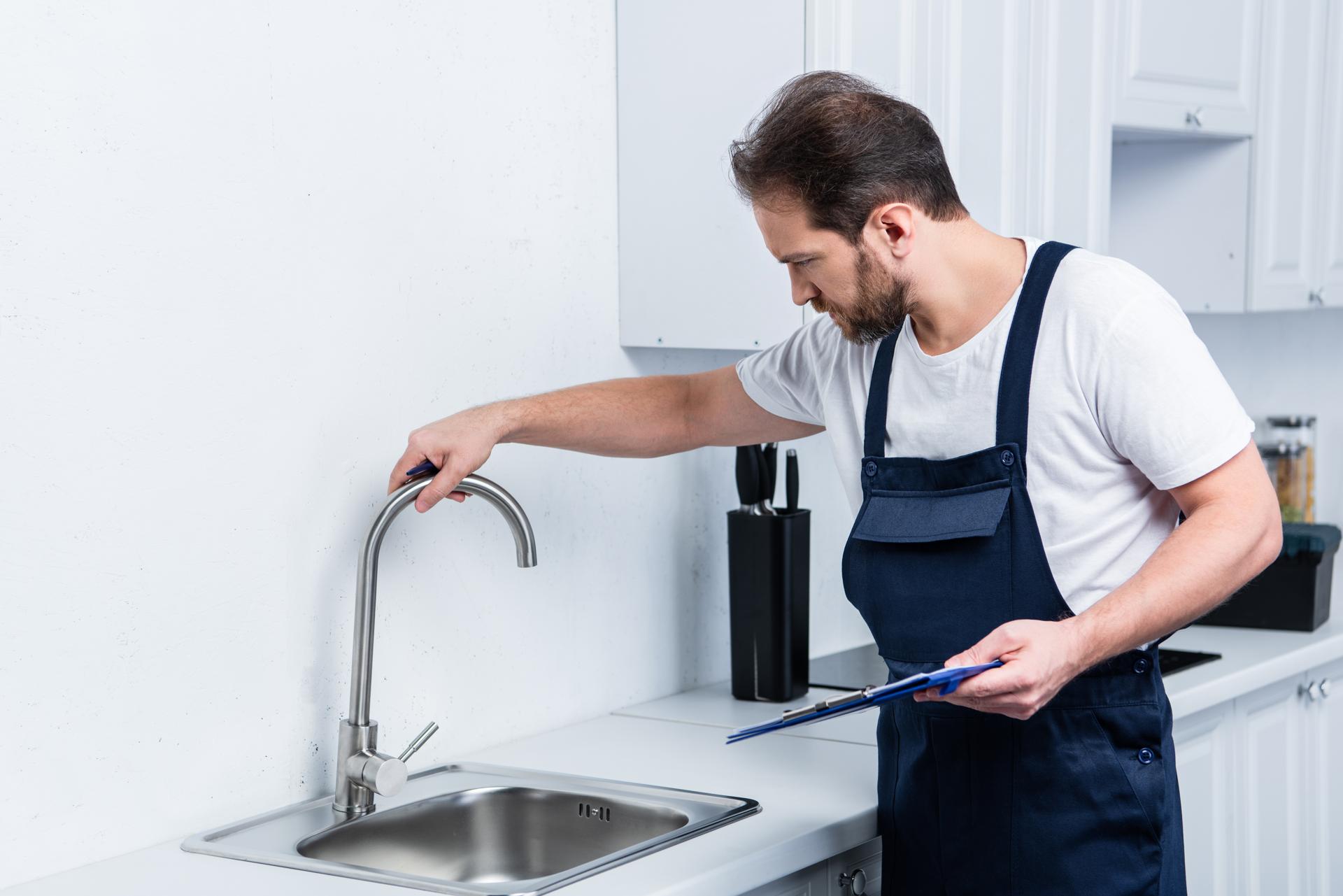
Plumbing is an essential aspect of modern living that is often taken for granted. The plumbing system inside buildings or homes ensures that water is safely delivered and waste is efficiently eliminated.
In this article, we will look at the past and the evolution of plumbing, its effects on our lives as well as the environment, and the technological innovations that are creating its future.
The History of Plumbing
Plumbing has been in use since the beginning of time, with evidence dating back to ancient civilizations such as that of Egyptians, Greeks, and Romans. These civilizations developed intricate systems of aqueducts, pipes and drainage systems that provide clean water and remove garbage. The Middle Ages, plumbing was limited to the wealthy however, the Industrial Revolution brought innovations such as cast iron pipes and water pumps, which made plumbing available to everyone.
The significance of plumbing in our Daily Lives
Plumbing plays an important part in our life, providing safe drinking water cooking, bathing, and cooking, and removing garbage from our home. It is also vital to maintain public health since it helps prevent the spread of diseases and contamination of water sources. From cleaning dishes and flushing your toilet, plumbing is an integral component of our everyday routine.
Environmental Impact of Plumbing Environmental Impact of Plumbing
While plumbing can provide many benefits however, it impacts the environment. The process of making pipes and fixtures uses up resources and energy, and leaks and waste can pollute the environment. However, there are ways to minimize the impact on the environment of plumbing, like installing low-flow fixtures and repair leaks as quickly as possible. Conservation of water is also important and simple actions such as turning off the water when you brush your teeth can help a lot.
the Future of Plumbing
Future plumbing technology is exciting, with exciting innovations in the near future. Smart plumbing systems that can detect leaks and track water usage are becoming increasingly popular. These systems can reduce homeowners’ water bills and reduce consumption. Innovations such as nanotechnology and 3D printing could also transform plumbing by improving its efficiency and cost-effective.
Conclusion
Plumbing is an integral part of modern-day life, and can have a profound impact on our daily routines, public health, and the environment. Proper maintenance and repair of plumbing systems is essential to ensuring their longevity and efficiency. When we look towards the future, advancements in the field of plumbing technology are set to make our lives more convenient and more efficient. more sustainable.
FAQ:
What are some common plumbing issues that homeowners face?
Common plumbing problems are leaky faucets, blocked drains as well as running toilets. It is crucial to fix these issues quickly to avoid more significant problems from developing.
How often do I need to have my plumbing system checked?
It is recommended to inspect your plumbing system by a qualified plumber at least every year in order to spot any potential problems and resolve them before they become major issues.
What can I do to help me conserve water in my home?
You can conserve water by installing low-flow fixtures and fixing leaks quickly, and practicing simple habits like shutting off the faucet while brushing your teeth.
Can I install plumbing fixtures on my own or should I call an expert plumber?
Although some plumbing jobs may be DIY-friendly, it’s advised to employ a professional plumber to tackle more difficult tasks such as installing new fixtures or replacing pipes.
How can I tell if my plumbing system needs repairs?
Signs of a plumbing problem include low water pressure or drainage issues, strange sound or smells, or visible leaks. If you notice any of these indicators, it is essential to get your plumbing system checked by a licensed plumber.